
How to Prepare Your Business for a Professional Photoshoot
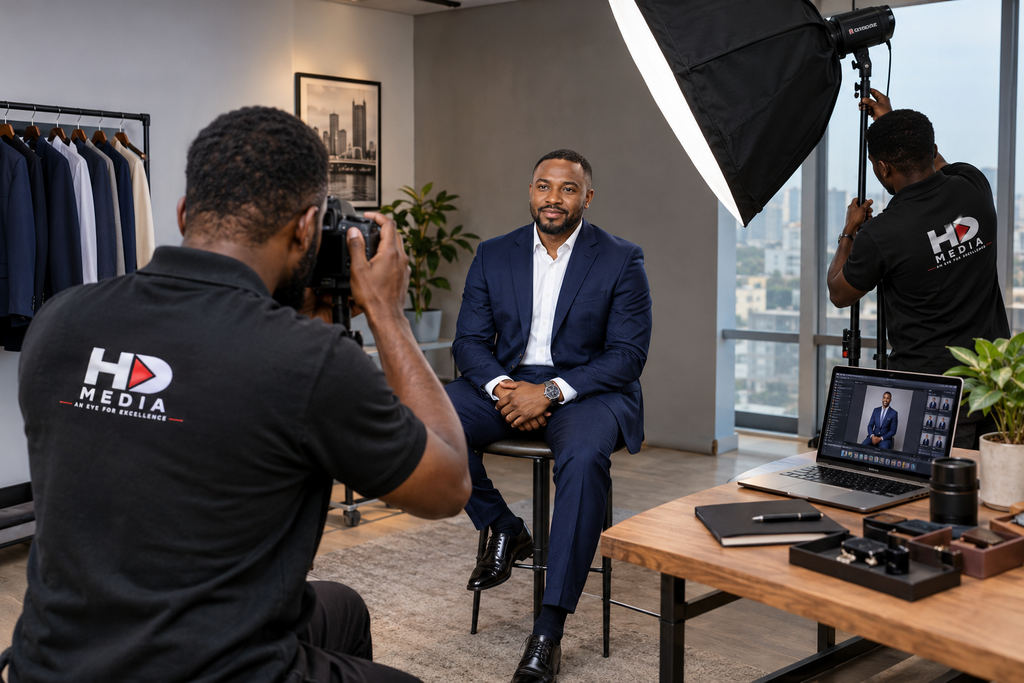
You have decided to invest in professional photographs for your business. Maybe you need new pictures for your website, updated team headshots, images for a company profile or a collection of branded photographs for your marketing campaigns.
You have booked the photographer, and the date is approaching. Now comes the question: what exactly should you prepare?
A successful business photoshoot involves more than showing up in nice clothes and standing in front of a camera. The people, products, location, wardrobe and purpose of the shoot all influence the final results.
Good preparation also saves time on the day, reduces unnecessary stress and helps you get more useful images from your investment.
Whether you are a founder preparing for your first brand photoshoot, a professional service firm updating its website or a company planning a corporate photoshoot for its team in Nigeria, here is how to prepare.
1. Be Clear About What the Photoshoot Is For
Before choosing outfits or booking a location, establish what you need the photographs to achieve.
A business photoshoot for a law firm will look different from one for a fashion brand. A founder who wants to build a personal brand may need a different collection of images from a company updating its annual report or corporate website.
Start by answering three questions:
- Where will you use the photographs?
- Who needs to see them?
- What should the photographs communicate about your business?
For example, if you are updating your website, you might need a founder portrait, team photographs, images of your workspace and pictures showing how you serve clients.
If you are preparing for a brand photoshoot, you may need a wider variety of images for your website, social media, email campaigns, presentations and promotional materials.
Write down your requirements before the shoot. This gives your photographer a clear direction and helps you avoid ending the day with beautiful photographs that do not serve your actual business needs.
2. Prepare a Shot List
A shot list is simply a record of the photographs you want to capture during the session.
It helps you and your photographer stay organised, especially when several people, products or locations are involved.
Your list might include:
- Individual portraits of the founder or business owner.
- Professional business headshots for team members.
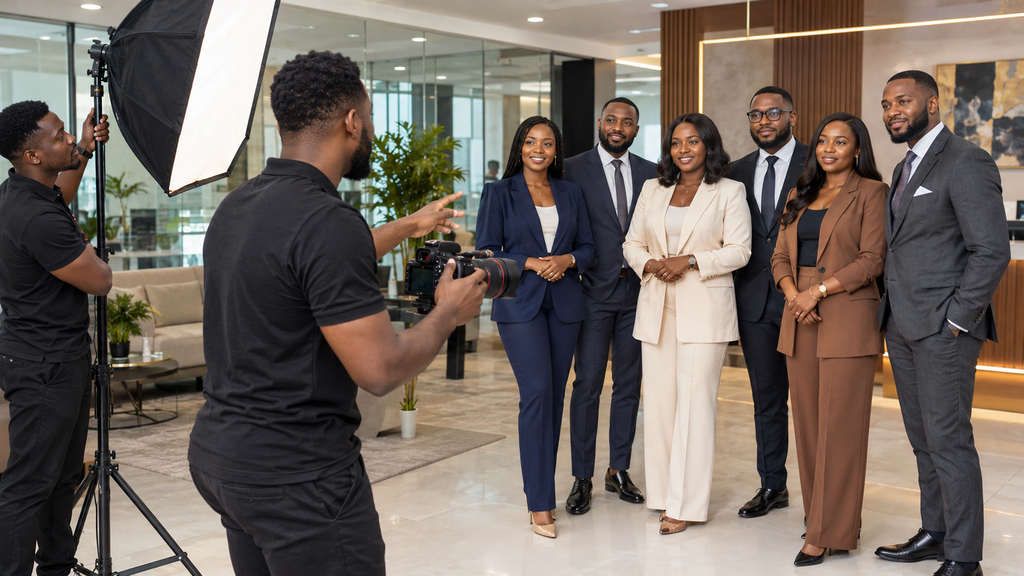
- Group photographs of the management team or entire staff.
- Photographs of products, equipment or finished work.
- Team members working, collaborating or interacting with clients.
- Images of the office, reception area, studio or business premises.
- Photographs showing the business owner interacting with customers.
- Horizontal and vertical images for different website and marketing layouts.
Be specific about important photographs. If you need a picture of your entire leadership team for your company profile, include it on the list rather than assuming it will happen automatically.
You should also share any reference images that communicate the look you want. These can help explain your preferred lighting, composition, background, wardrobe or general mood.
Use references as a guide, not a requirement to reproduce another business’s photographs exactly.
3. Choose Your Location Carefully
Your location contributes to the overall look and feel of the photographs.
Depending on your business and the purpose of the shoot, you could use your office, a professional studio, a retail space, a production facility or an outdoor location.
Each option has advantages.
An office can communicate professionalism and give viewers a glimpse of your working environment. A studio offers more control over lighting and backgrounds. A retail or production location can help customers understand what you do and how your business operates.
Before confirming the location, consider the following:
Lighting: Is there enough natural light, or will additional lighting be required?
Space: Is there enough room for the photographer, lighting equipment, subjects and any products or props?
Background: Are there distracting objects, visible cables, cluttered desks or unwanted signs in the frame?
Noise and interruptions: Can the team work without constant interruptions from customers, phone calls or other activities?
Access: Will the photographer have enough time to set up and move between locations?
For businesses shooting in Lagos or other busy Nigerian cities, traffic and access arrangements also deserve attention. Plan arrival times realistically, especially if the session involves several team members or multiple locations.
Confirm the location with your photographer before shoot day so that any logistical challenges can be addressed early.
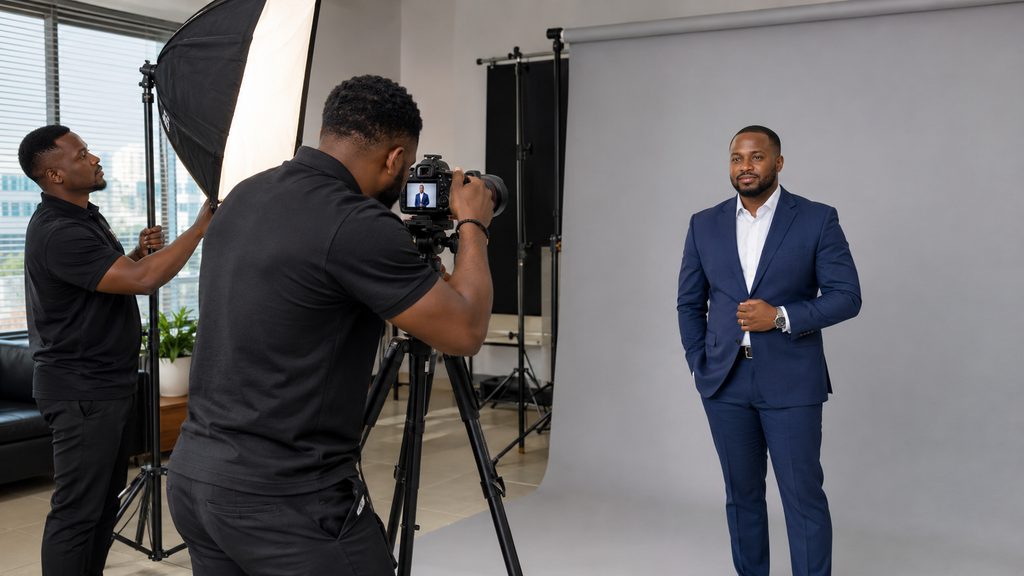
4. Plan What Everyone Will Wear
Wardrobe can make a significant difference to the final images.
The goal is not necessarily for everyone to wear the same colour or dress formally. The goal is to ensure that clothing fits your brand, suits the purpose of the photographs and works well together.
For a corporate photoshoot, a finance or consulting firm might prefer tailored business attire in coordinated colours. A creative agency may choose smart-casual outfits that reflect its personality. A fashion or lifestyle brand may need carefully styled looks that highlight its products.
Whatever direction you choose, communicate it to everyone involved before the shoot.
A few practical tips:
- Choose clean, well-fitting clothes that are comfortable to wear.
- Coordinate colours without making everyone look unnecessarily identical.
- Avoid distracting patterns, large unrelated logos and clothing that creases easily.
- Prepare a backup outfit where practical.
- Iron or steam clothes before arriving.
- Bring appropriate shoes and accessories for each look.
For a Nigerian corporate team, it can also be useful to decide whether the photographs will feature Western business attire, traditional attire or a combination of both. A well-planned mix can communicate professionalism while reflecting the company’s identity and culture.
If the shoot includes several outfits, arrange them in advance and allow enough time for changes.
5. Get Your People Ready
People often underestimate how much coordination is required when several employees or executives are involved.
If you are planning business headshots or team portraits, send everyone the relevant details early. Include the date, arrival time, dress code, location, expected duration and any preparation instructions.
Ask team members to arrive ready for their assigned photographs. If professional grooming, makeup or hair styling is required, make those arrangements ahead of time.
For individual portraits, let people know what to expect. Some employees may be comfortable in front of a camera, while others may feel awkward or nervous.
A professional photographer should be able to guide people through posing, positioning and expressions. Nobody needs to arrive knowing how to model.
For leadership portraits, identify the executives who must be photographed and confirm their availability. If a group photograph is important, schedule it while everyone is present rather than leaving it until the end of the session.
It is also helpful to appoint one person within your organisation to coordinate the team. This prevents the photographer from having to chase people or repeatedly interrupt the session to find the next person.
6. Prepare Your Products, Props and Equipment
If your business sells physical products or relies on specific equipment, prepare those items before the photographer arrives.
Products should be clean, presentable and in good condition. Check packaging, labels, surfaces and any details that customers will notice in the final images.
For a restaurant, this might mean coordinating food preparation and presentation. For a fashion business, it could involve steaming garments and organising accessories. For a technology company, it might mean cleaning devices and preparing the equipment used by its team.
Service-based businesses can also benefit from thoughtful props. A consultant might use a laptop, notebook or presentation materials. A designer could prepare samples of completed work. A medical or professional practice may need its relevant equipment arranged neatly.
Only include items that support the story you want the photographs to tell.
If your shoot involves products in several sizes, colours or variations, prepare a list so the photographer can work through them efficiently.
7. Prepare Your Brand Assets
Your photographs should feel connected to your business.
Before the shoot, gather any materials that need to appear in the images. These might include branded uniforms, product packaging, company signage, presentation slides, brochures, business cards or other items featuring your visual identity.
If you are photographing an office or commercial space, inspect the areas that may appear in the background. Remove unrelated posters, unnecessary paperwork and items that make the environment look untidy.
Think about how the final photographs will sit alongside your existing website and marketing materials.
If your business uses particular brand colours, share them with the photographer. This can help guide wardrobe choices, background selection and styling.
You should also identify any confidentiality requirements. For example, a business may need to remove client documents, conceal sensitive information on computer screens or obtain permission before photographing visitors.
These small details help protect your business while keeping the images professional.
8. Create a Realistic Schedule for Shoot Day
A photoshoot can become unnecessarily stressful when the schedule is too ambitious.
Trying to photograph 20 employees, multiple products, three locations and several outfit changes in a short session can lead to rushed images and missed priorities.
Work with your photographer to establish a realistic timeline.
Allow time for equipment setup, lighting adjustments, wardrobe changes, individual portraits, group photographs and breaks where necessary. If you are using multiple locations, factor in travel and setup time.
A sample schedule for a small corporate photoshoot might look like this:
- 9:00 a.m. — Arrival and setup.
- 9:30 a.m. — Founder and executive portraits.
- 10:15 a.m. — Individual staff headshots.
- 11:15 a.m. — Team photographs.
- 11:45 a.m. — Workspace and candid working shots.
- 12:30 p.m. — Final checks and wrap-up.
This is only an illustration. Your schedule should reflect the number of people, the complexity of the shoot and the deliverables agreed with your photographer.
Identify the must-have photographs and schedule them first. This provides a sensible fallback if something unexpected affects the session.
9. Confirm the Deliverables Before the Shoot
Before the shoot begins, make sure you understand what you will receive afterwards.
Professional photography packages can differ in coverage, editing, image quantity and delivery arrangements. Clarifying these details prevents confusion later.
Discuss the following with your photographer:
- The expected number of final edited photographs.
- The type of editing included.
- Delivery timelines.
- Whether high-resolution files are included.
- Whether images will be supplied in different orientations or crops.
- How the final images will be delivered.
- Usage rights and any restrictions.
- Whether additional photographs or retouching will incur extra charges.
If you need photographs for your website, LinkedIn, print materials and social media, mention this before the session. Your photographer can plan compositions and framing with those uses in mind.
For instance, a wide image may work well as a website banner, while a vertical portrait may be more suitable for a social media post.
Clear expectations help everyone work towards the same result.
Your Business Photoshoot Preparation Checklist
Before the photographer arrives, confirm that you have:
- Defined the purpose of the shoot.
- Prepared and shared your shot list.
- Confirmed the location and access arrangements.
- Communicated the wardrobe guidelines.
- Informed all participants of the schedule.
- Prepared products, props and equipment.
- Organised brand assets and checked the backgrounds.
- Allowed sufficient time for each part of the session.
- Confirmed the deliverables, usage rights and delivery timeline.
You can use this checklist as a starting point and adapt it to your business.
Ready to Plan Your Business Photoshoot?
A successful business photoshoot begins well before the camera comes out. When your objectives are clear, your people are prepared and the details are organised, your photographer can focus on creating images that represent your business at its best.
At HDMedia, we work with businesses and professionals to plan and produce photography that serves a purpose, from corporate portraits and business headshots to brand imagery and team photographs.
Whether you are preparing for your first professional photoshoot or updating your company’s visual identity, we can help you plan the session around your people, brand and business goals.
Contact HDMedia to plan and produce professional photography for your business. Let’s create images you can confidently use across your website, marketing materials and business communications.
One Response