

What Should You Actually Get From Your Event Photography?
When planning an event, photography is often one of the items on the checklist. You book a venue, arrange the speakers, confirm the programme, coordinate vendors and hire a photographer to capture everything.
Simple enough, right?
Not quite.
After months of planning, a successful conference, corporate gathering, product launch or awards ceremony deserves more than a folder filled with random pictures of people standing on a stage. You need images that tell the story of the event, reflect your organisation’s brand and give you something valuable to use long after everyone has gone home.
That is the difference between simply hiring someone to take pictures and investing in professional event photography.
So, what should you actually expect when you hire an event photographer?
Let’s break it down.
1. Coverage of the Entire Event Story
A professional event photographer should understand that an event is more than its main programme.
The keynote speaker might be the highlight of a conference, but the story also includes guests arriving, colleagues reconnecting, attendees networking, sponsors interacting with visitors and organisers working behind the scenes.
These moments help communicate the atmosphere and experience of the event.
For comprehensive event photography, coverage should ideally include:
- Pre-event details: Venue setup, stage design, branded backdrops, signage, exhibition stands and other important details before guests arrive.
- Guest arrivals: Registration, welcome moments, greetings and interactions.
- Main programme: Speakers, panel discussions, presentations, award ceremonies and performances.
- Audience reactions: Applause, laughter, attentive listeners, questions and moments of engagement.
- Networking: Conversations, introductions, business meetings and spontaneous interactions.
- Behind-the-scenes moments: Organisers coordinating activities, teams preparing for sessions and the people who make the event happen.
- Closing moments: Group photographs, final interactions and other meaningful moments that complete the story.
The exact coverage will depend on the event type, schedule and agreed package.
The goal is to create a visual record that communicates what happened, who was involved and what made the occasion worth attending.
2. Images That Represent Your Brand Professionally
For businesses, event photos are not just personal memories. They are also brand assets.
Consider a company hosting an annual conference. The photographs may later appear on its website, LinkedIn page, annual report, press releases, internal communications and promotional materials for the next edition.
If those images are poorly composed, inconsistently lit or filled with distracting backgrounds, they may not reflect the professionalism of the organisation.
Professional event photography should take your brand into account.
Your photographer should pay attention to the visibility of logos, branded stage elements, sponsor displays, company signage and other visual details that matter to your organisation.
They should also capture people in ways that feel natural and professional, whether that means documenting an executive delivering a presentation, a team celebrating an achievement or two business leaders having a conversation.
This is particularly important in corporate event photography, where images may be used to communicate credibility, leadership, company culture and industry presence.
Before the event, discuss your organisation’s visual identity and how the images will be used. This helps the photographer prioritise the right moments and deliver photographs that are useful beyond the event itself.
3. Clear, Well-Composed Photographs of Key Moments
Being present at an event does not automatically mean a photographer will capture it well.
A speaker may be photographed with their eyes closed. An award recipient might be obscured by someone standing in front of them. A group photograph could have important people positioned awkwardly, while an otherwise excellent image may be ruined by poor lighting.
These are the kinds of details that separate professional event photography from simply taking pictures.
Your event photographer should understand composition, lighting, timing, exposure and how to work in different environments.
Conference photography, for example, presents its own challenges. Venues often have changing stage lights, large presentation screens, dim audience areas and speakers who move around while presenting. A capable photographer needs to adapt without unnecessarily disrupting the programme.
You should expect clear, well-composed images of important speakers, attendees, award recipients, sponsors and other priority subjects.
For particularly important moments, such as an award presentation, a product reveal or an executive announcement, discuss the shot requirements in advance.
A shot list is useful here. It gives your photographer a clear understanding of what must be captured, especially when certain people, activities or branded elements are essential to the final collection.
4. The Right Balance Between Planned and Candid Moments
Posed photographs have their place.
You may need a formal photograph of the board of directors, a group shot of conference speakers or a picture of sponsors with the event organisers.
However, posed images alone rarely communicate the full experience of an event.
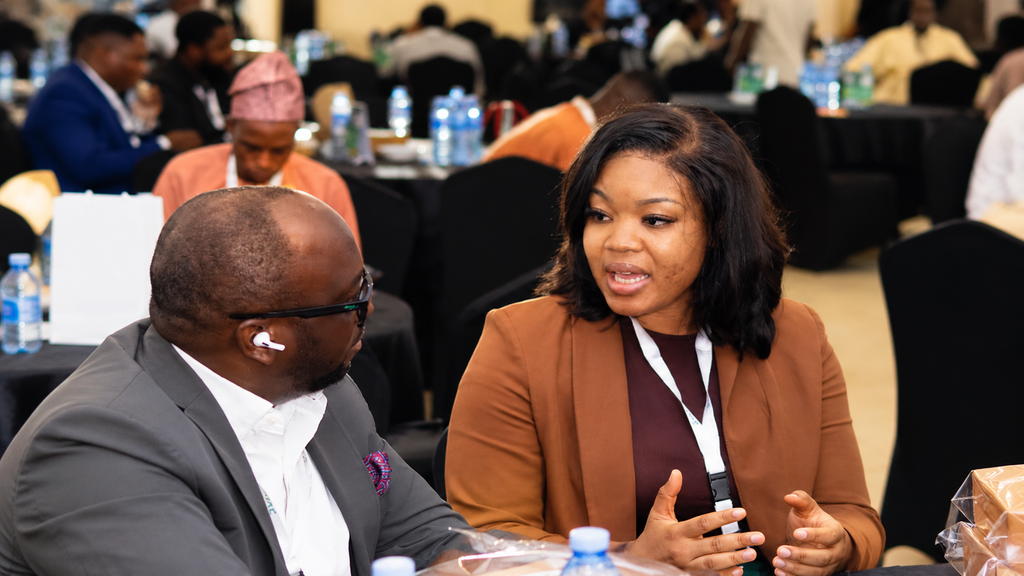
Some of the most valuable event photos are candid: a speaker sharing a laugh with an attendee, a team celebrating a successful presentation or guests engaging in a lively discussion.
These moments make the event feel real.
A professional event photographer should know when to direct people and when to step back. They should be able to organise group photographs efficiently while remaining observant enough to capture spontaneous interactions.
For companies, this balance is especially useful. Formal photographs can support corporate records and official announcements, while candid images can communicate company culture, audience engagement and the human side of the organisation.
The result is a more complete collection, with images that serve different purposes.
5. Professional Editing and Consistent Image Quality
The work does not end when the last photograph is taken.
Post-production is an important part of professional event photography. It helps ensure that the final images are visually consistent, polished and suitable for their intended use.
This typically includes reviewing the photographs, selecting the strongest frames, correcting exposure and white balance, refining colours and making appropriate adjustments to contrast and composition.
The editing should enhance the photographs without making them look artificial.
For a corporate event, consistency matters. If images from the same conference have wildly different colour tones or exposure levels, using them together in a report or across social media can become difficult.
You should also clarify what editing is included in your package. Standard colour correction and exposure adjustments are different from extensive retouching or advanced image manipulation.
Ask about the expected number of final edited photographs, the delivery format and whether high-resolution files suitable for printing are included.
These details help you understand exactly what you are paying for.
6. Reliable Delivery Within an Agreed Timeline
Imagine hosting a major industry conference on Friday. On Monday morning, your communications team wants to publish a LinkedIn post celebrating the event. Your marketing team also needs photographs for a newsletter, while the management team is preparing an internal report.
If the photographs arrive weeks later without prior agreement, some of their immediate value may be lost.
Delivery timelines should therefore be part of the conversation before you hire an event photographer.
Ask when you can expect the complete edited gallery and whether selected images can be delivered earlier for urgent communication needs.
For events where timely publicity is important, you may want to arrange a same-day or next-day selection of photographs, subject to the photographer’s capacity and the agreed package.
It is also worth confirming how the images will be delivered. A well-organised online gallery or secure digital folder makes it easier for your team to access, download and distribute the photographs.
Reliable delivery is not simply about speed. It is about ensuring that the images arrive in a format and timeframe that supports your business objectives.
7. Photographs You Can Actually Use After the Event
One of the most overlooked aspects of event photography is what happens after the event has ended.
Your photographs can continue working for your organisation for months or even years.
A strong collection may support:
- Website updates and corporate announcements.
- LinkedIn posts and other social media content.
- Conference recaps and post-event reports.
- Internal newsletters and employee communications.
- Sponsorship reports and partner presentations.
- Future event promotions.
- Company profiles, presentations and marketing materials.
- Media coverage and public relations activities.
This is why you should think about usage before the event takes place.
Tell your photographer which platforms and materials you expect to use the photographs for. If you need images for a particular campaign, executive profile or sponsor report, identify those requirements in advance.
You should also clarify usage rights, any restrictions and whether additional licensing applies.
A good event photography brief considers not only what needs to be photographed, but also how the resulting images will support the organisation afterwards.

8. A Photographer Who Works Well With Your Event Team
An event photographer works within a larger operation.
They may need to coordinate with event planners, venue managers, public relations teams, communications staff, stage managers and audiovisual crews.
Poor coordination can lead to missed moments, blocked camera angles or unnecessary interruptions to the programme.
Professionalism therefore extends beyond the photographs themselves.
Your photographer should understand the event schedule, arrive with sufficient time to prepare, identify key people and coordinate access to important areas. They should also know how to work discreetly during presentations and formal proceedings.
For large conferences and complex events, ask whether one photographer is sufficient or whether multiple photographers would be more appropriate.
A single photographer may be suitable for a smaller gathering with a straightforward programme. A large conference with simultaneous sessions, several stages and hundreds of attendees may require a team to provide adequate coverage.
The right arrangement depends on the scale of the event, the number of simultaneous activities and the coverage you expect.
9. A Clear Agreement on What Is Included
Before signing a contract or paying a deposit, make sure you understand the scope of the photography service.
Two photographers may offer event coverage at very different prices because their packages include different things.
Ask for clarity on:
- Hours of coverage and overtime charges.
- Number of photographers assigned.
- Number of edited photographs included, where specified.
- Editing and retouching standards.
- Delivery timelines and any expedited delivery options.
- Image delivery method and file formats.
- Travel, accommodation or other additional expenses, where applicable.
- Usage rights and licensing.
- Backup arrangements and contingency plans.
You should also discuss your priorities and budget openly. A photographer who understands your needs can help you determine which coverage options matter most.
The cheapest quote may not provide the coverage your event requires, while the most expensive package is not automatically the best choice.
What matters is whether the service matches your expectations and delivers the images your organisation needs.
Choosing an Event Photographer: Look Beyond the Camera
When hiring an event photographer, it is easy to focus on equipment, package prices and the number of photographs promised.
Those details matter, but they are only part of the picture.
You also need someone who understands the purpose of your event, recognises the moments that matter, represents your brand professionally and delivers images you can put to work.
Whether you are organising a corporate gathering, an industry conference, a product launch, an awards ceremony or a company milestone, the right photography coverage should preserve the experience while creating useful visual assets for your organisation.
At HDMedia, we approach event photography with this bigger picture in mind. We work to document the important moments, the people behind them and the atmosphere that makes each event distinct.
Need Professional Event Photography for Your Next Event?
Your event takes time, planning and resources. Make sure the photographs do justice to the work that went into it.
HDMedia provides professional event and corporate photography coverage for businesses, conference organisers and organisations that want to document their events with care and professionalism.
Whether you are planning a conference, corporate gathering, product launch or special company event, we can discuss your coverage requirements and help you plan for the moments that matter.
Contact HDMedia to discuss professional event photography for your next event.
Let’s create a collection of photographs that tells your event’s story long after the day is over.