
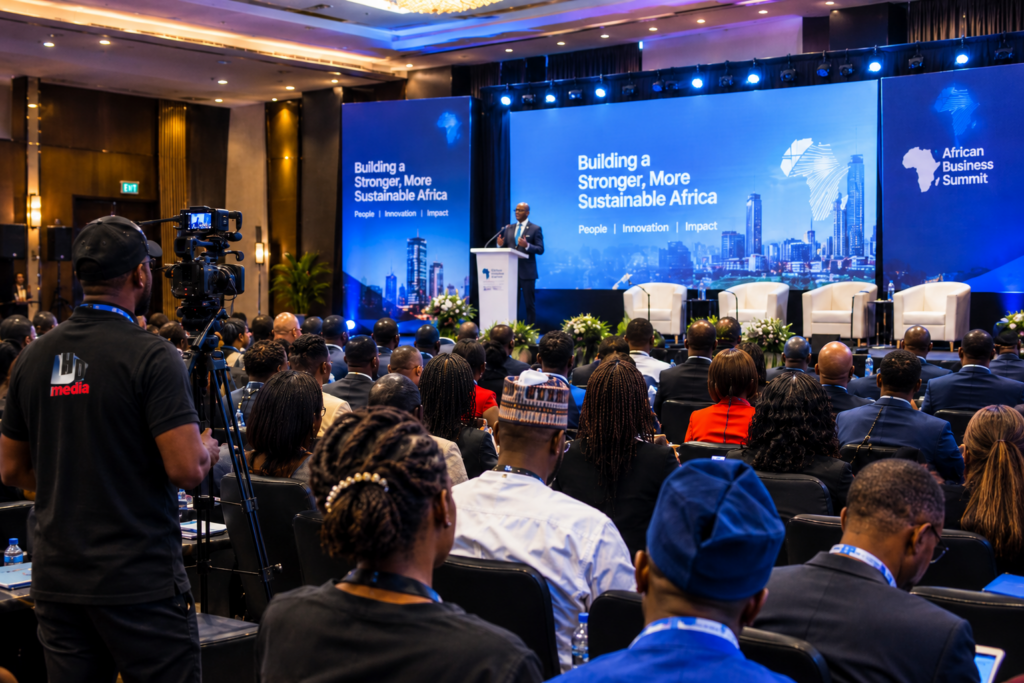
A corporate event can last just one day, but its marketing value can extend for weeks or even months. Whether you are organizing a conference, product launch, awards ceremony or networking event, the content captured can continue engaging your audience long after the venue closes.
The challenge is that many businesses treat event photography and videography as simple documentation. They publish a few photographs, share one highlight video and move on.
With the right strategy, however, a single event can generate 30 or more pieces of content for social media, websites, email campaigns and future promotions.
In this guide, we explore practical event content ideas that help businesses turn one event into a valuable library of photographs, videos, interviews and marketing assets.
Why Event Content Repurposing Matters
Event content repurposing involves transforming photographs, video footage, interviews and presentations into multiple assets for different platforms and audiences.
Instead of publishing everything at once, businesses can distribute content over several weeks. A conference, for example, can generate LinkedIn photo carousels, Instagram Reels, speaker interviews, educational articles and attendee testimonials.
This approach helps companies reach people who could not attend, demonstrate industry expertise and maintain brand visibility between events.
How to Get 30 Pieces of Content From One Event
The key is to plan your media coverage before the event begins. Here are six categories that can produce at least 30 content assets.
1. Event Photography: 5 Content Pieces
Professional event photography captures the atmosphere, people and important moments that communicate your brand’s identity.
Your photographer should capture more than stage presentations. Include networking interactions, audience reactions, branding details and behind-the-scenes activities.
Here are five ways to use the photographs:
- Event highlight gallery: A curated collection for your website or online portfolio.
- LinkedIn photo carousel: Images showcasing speakers, attendees and key activities.
- Speaker spotlight series: Individual photographs celebrating keynote speakers and panellists.
- Behind-the-scenes photo story: Images of preparations, production teams and event setup.
- Branded recap graphics: Photographs combined with memorable quotes, verified statistics or key takeaways.
Production tip: Prepare a shot list in advance, covering wide venue shots, close-ups, candid interactions and important branding elements.
2. Short-Form Videos and Reels: 8 Content Pieces
Video helps communicate the energy of an event in ways that still photographs cannot. With planned coverage and thoughtful editing, one event can produce several short videos for social media.
- Event teaser: A promotional video introducing the event and building anticipation.
- Highlight reel: A dynamic summary of the most memorable moments.
- Speaker soundbites: Short clips featuring powerful statements or practical advice.
- Audience reaction reel: Genuine reactions, applause and audience participation.
- Behind-the-scenes video: A look at preparations and the production process.
- Day-in-the-life recap: A visual narrative following the event from arrival to closing.
- Product demonstration: Footage showcasing a product launch, exhibition or live demonstration.
- Event atmosphere reel: A montage of the venue, lighting, décor, branding and crowd energy.
Each video should have a specific purpose. A speaker clip could promote a longer presentation, while a highlight reel could encourage registrations for the next edition.
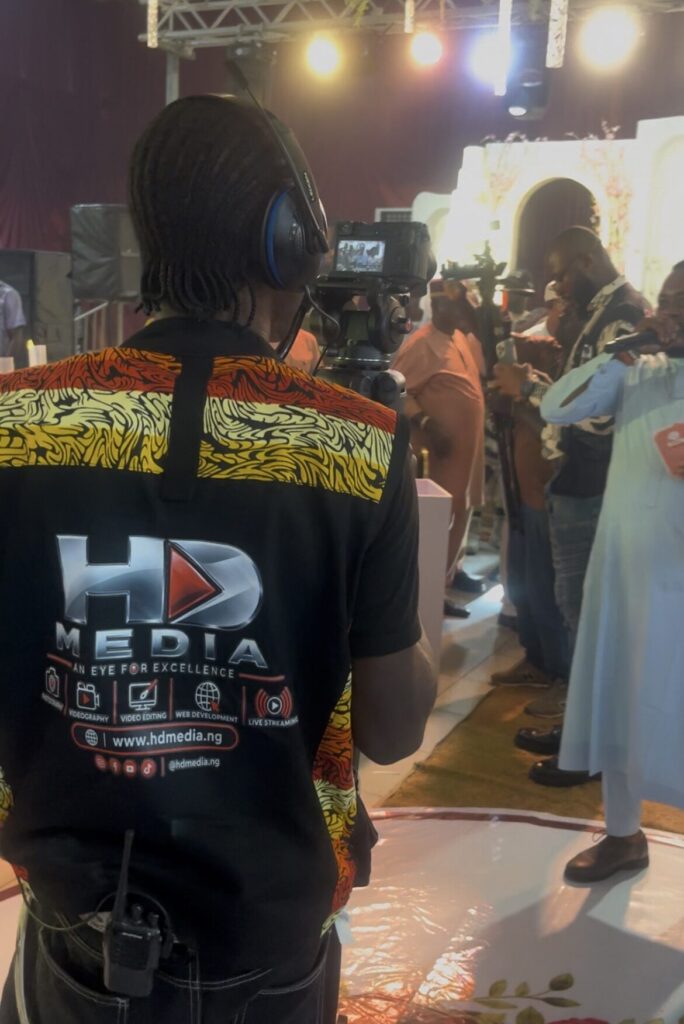
Production tip: Plan for vertical formats and capture clear audio. Strong footage is much easier to repurpose when the subject is well-framed and the sound is clean.
3. Interviews and Testimonials: 5 Content Pieces
The people attending an event can provide some of its most persuasive content. Their experiences and insights add a human perspective to your brand’s messaging.
Consider creating these five assets:
- Speaker interview: An expert discusses a key topic or industry challenge.
- Attendee testimonial: A participant explains what they learned or gained from the event.
- Sponsor spotlight: A sponsor discusses its contribution or showcases its offering.
- Organiser interview: The organiser shares the event’s purpose, vision and achievements.
- Quick-fire interviews: Several attendees answer the same question in a fast-paced video.
For stronger responses, ask specific questions such as, “What is the most valuable insight you are taking away from today?” rather than simply asking whether someone enjoyed the event.
Production tip: Set aside a quiet interview area with good lighting and audio. Obtain the necessary permissions before recording and publishing interviews.
4. Educational and Thought Leadership Content: 5 Content Pieces
Conferences and corporate gatherings bring together people with valuable knowledge. Their presentations can provide educational material for audiences who want practical insights but may not have attended.
Repurpose that knowledge into:
- Key takeaways carousel: Five lessons from a keynote or panel discussion.
- Expert advice clip: A concise video featuring a useful recommendation.
- Industry insights post: An important observation or trend discussed during the event.
- Quote graphics: Memorable statements presented in branded designs.
- Educational recap article: A blog post explaining the event’s key lessons, announcements or industry implications.
These assets can support thought leadership and give your audience reasons to engage with your brand beyond promotional announcements.
Production tip: Identify valuable presentation segments in advance. Confirm that speakers and organisers permit the content to be recorded and published.
5. Brand, Networking and Community Content: 4 Content Pieces
Events also showcase company culture, professional relationships and the people behind a business. These stories can help organisations strengthen their reputation and attract potential partners.
- Networking highlights: Photographs or videos of meaningful interactions between attendees.
- Company culture feature: Content showcasing employees, event staff and team collaboration.
- Partner or exhibitor showcase: A visual feature highlighting participating businesses and collaborators.
- Event atmosphere photo story: A sequence documenting the venue, audience, branding and overall experience.
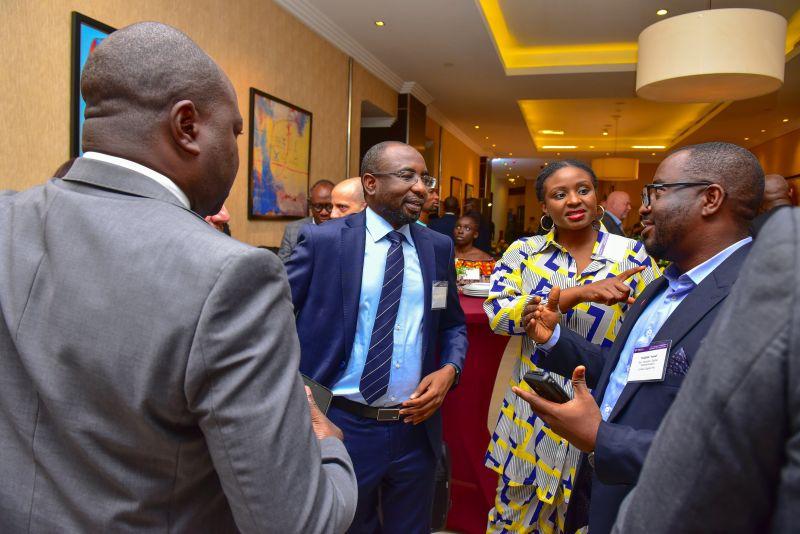
These assets are useful for corporate communications, recruitment, partnership development and brand awareness.
6. Promotional and Follow-Up Content: 3 Content Pieces
The final category focuses on maintaining engagement after the event and creating opportunities for future business.
- Thank-you post: Recognise attendees, speakers, sponsors and partners.
- Next-event promotional video: Use footage from the current event to generate interest in the next edition.
- Event impact post: Share verified results, such as attendance figures, funds raised, products launched or milestones achieved.
These posts help communicate the event’s outcomes and give prospective attendees a reason to participate in future editions.
How to Plan Your Event Media for Maximum Results
Producing 30 assets requires coordination between the event organiser, marketing team, photographer and videographer. Use the following three-stage process to keep production organised.
Before the Event
Start by identifying your objectives. Are you aiming to increase brand awareness, generate leads, launch a product or promote a future conference?
Create a content brief listing the assets required, their intended platforms, important moments and delivery deadlines. Prepare interview questions, shot lists, brand guidelines and a schedule for speakers and other key participants.
During the Event
Coordinate photography and videography coverage so the team captures essential moments without unnecessary duplication.
Prioritise clear audio, well-composed photographs, stable footage and supporting shots. If you plan to publish updates during the event, arrange for selected images and short clips to be edited and delivered quickly.
After the Event
Organise the footage, photographs and interviews into clearly labelled folders. Edit and deliver priority assets first, including the highlight reel and thank-you post.
Schedule the remaining content over the following weeks. Use suitable captions, subtitles, branding and calls to action, then monitor performance through reach, engagement, video watch time, website visits and enquiries.
Remember that repurposing does not mean publishing the same asset repeatedly. Each piece should offer a distinct angle or value to its intended audience.
Common Event Content Mistakes to Avoid
Even an event with excellent production can underperform if its content is poorly managed. Avoid these common mistakes:
- Recording without a plan: Define your marketing objectives and required assets before the event.
- Neglecting audio quality: Poor sound can undermine otherwise impressive event videography.
- Publishing everything at once: Spread content across a planned schedule to maintain visibility.
- Using identical edits everywhere: Adapt video length, aspect ratio and messaging to each platform.
- Ignoring permissions: Confirm the necessary consent and usage rights for interviews, presentations, music and identifiable participants.
- Focusing on quantity alone: Prioritise useful, professionally produced content over simply meeting a numerical target.
Turn Your Next Event Into a Marketing Opportunity With HDMedia
Your event should do more than create memories. It should give your business useful content that communicates its expertise, strengthens its brand and keeps audiences engaged.
At HDMedia, we help businesses approach event photography and videography as part of a broader content production strategy. From capturing key moments to producing highlight videos, interviews, social media reels and promotional assets, the objective is to make your event content work harder for your brand.
Planning a conference, product launch or corporate event? Contact HDMedia to plan and produce content for your next corporate event.
Let’s make every moment count beyond the event day.