
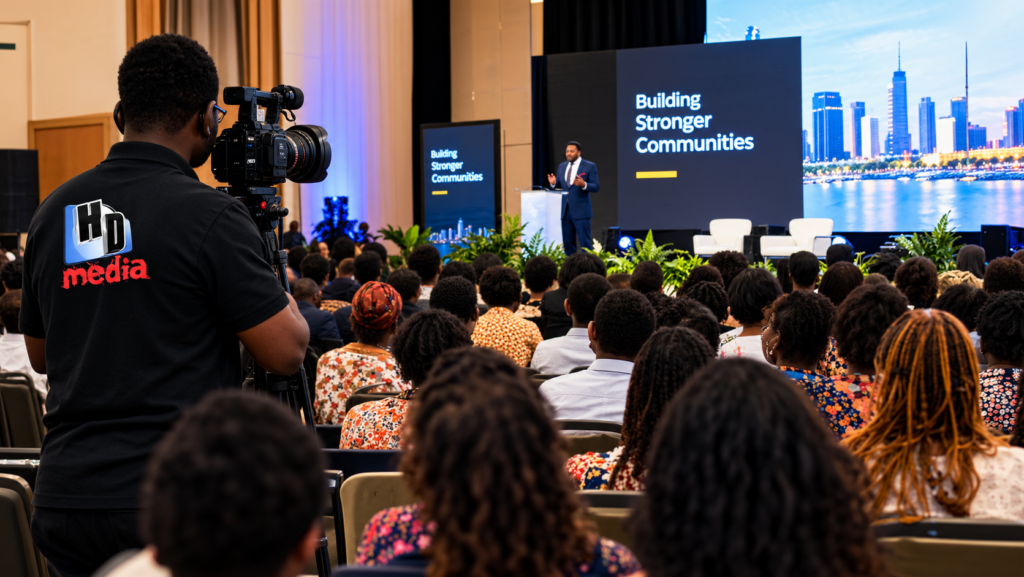
An event may last for one day, two days, or perhaps an entire weekend.
But the value of that event doesn’t have to disappear when the last guest leaves.
A conference can create weeks of social media content. A product launch can generate photographs and videos for future marketing. An exhibition can produce material for case studies, newsletters and company profiles. A corporate dinner can provide images that strengthen your brand long after the tables have been cleared.
The difference is often in how the event is documented.
Too often, businesses think about event photography and videography as something they need simply to record what happened.
But professional event content can do much more than document an occasion.
It can turn a single event into a library of visual assets that your business can continue using long after the event is over.
Your Event Is More Than What Happens on Stage
When planning a business event, most of the attention naturally goes toward the event itself.
The venue.
The speakers.
The programme.
The guests.
The stage.
The branding.
The catering.
The technical setup.
But there is another question worth asking before the event begins:
What content do we want to come out of this event?
That question changes the way you approach event coverage.
Instead of simply trying to photograph everything that happens, you begin thinking about the different stories your content needs to tell.
You may need photographs of speakers, guests, sponsors, products, branding, networking, audience reactions and important moments.
You may need short videos for social media.
You may need professional footage that can later be edited into a highlights video.
You may need portraits of executives and speakers.
You may even need behind-the-scenes content showing the preparation that went into the event.
The event becomes not just an occasion to cover, but a content opportunity.
Why Event Content Matters for Businesses
Business events are often significant investments.
Companies spend money on venues, production, advertising, speakers, branding, logistics and guest experience.
Yet the event itself may only exist for a limited amount of time.
Professional event content helps extend the lifespan of that investment.
A well-produced collection of photographs and videos can continue working across your marketing channels.
For example, photographs from a conference could be used for:
- Social media posts
- Website updates
- Company newsletters
- Press releases
- Internal communications
- Annual reports
- Speaker profiles
- Future event promotions
Video can go even further.
A single event can produce:
- A full event highlights video
- Short social media clips
- Speaker snippets
- Attendee testimonials
- Behind-the-scenes videos
- Promotional material for future events
The event may be over, but the content keeps moving.
Event Photography Should Tell the Whole Story
Good event photography isn’t simply about taking photographs of people standing on a stage.
A successful event has many moments happening at the same time.
There is the speaker delivering a presentation.
There is the audience listening.
There are people networking during a break.
There are guests interacting with exhibitors.
There are sponsors and branded spaces.
There are conversations happening away from the main stage.
There are small moments that communicate the atmosphere of the event.
Professional event photography should capture enough of these elements to give someone who wasn’t there a genuine sense of what happened.
That means looking beyond the obvious photographs.
A strong event gallery should tell a story:
What was the event? Who was there? What happened? What did people experience? Why did it matter?
Those questions are much more valuable than simply asking how many photographs were taken.
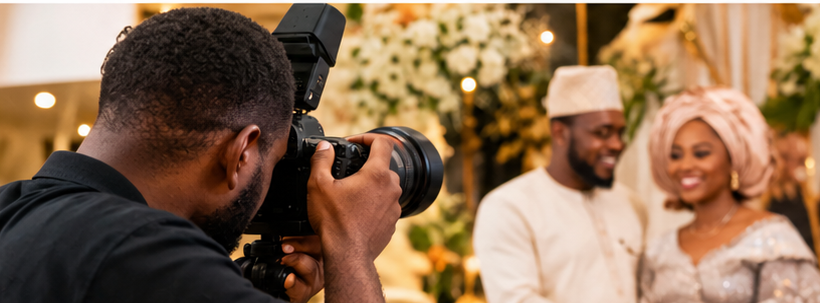
Event Videography Gives Your Event a Longer Life
Photography freezes individual moments.
Video can recreate the atmosphere.
The energy of a product launch.
The reaction of an audience.
The sound of applause.
The excitement around a new announcement.
A speaker delivering an important message.
A customer describing their experience.
These are things that still photographs cannot fully communicate.
That is why professional event videography can be particularly valuable for conferences, launches, exhibitions and corporate events.
A well-planned video can turn several hours of footage into a short, engaging story that can be shared with people who attended and those who didn’t.
And the content doesn’t have to be one long video.
It can be edited into multiple pieces for different platforms and purposes.
Think Beyond the Highlight Video
One of the biggest opportunities businesses miss is treating the final event video as the only piece of content that matters.
Instead, think about the event as a source of multiple content assets.
For example, a conference might produce:
1. Event highlights
A polished video showing the overall experience.
2. Speaker clips
Short videos featuring useful insights from speakers.
3. Attendee reactions
Quick testimonials or comments from participants.
4. Behind-the-scenes content
Footage of setup, rehearsals and preparation.
5. Social media clips
Short vertical videos designed specifically for social platforms.
6. Photography
A collection of professional images covering the event.
7. Future promotional content
Material that can help promote the next edition of the event.
This is where event content becomes much more valuable.
You’re not creating one piece of media.
You’re building a content library.
One Event Can Create Weeks of Content
Imagine your company hosts a one-day conference.
Instead of thinking:
“We need photographs and one video.”
Think:
“How much content can this event give us?”
You might leave with hundreds of carefully selected photographs, several hours of video footage, speaker interviews, testimonials and behind-the-scenes material.
That doesn’t mean everything needs to be published.
It means you have options.
Your marketing team can select the best material and distribute it gradually.
One event can therefore support your content calendar for weeks or even months.
The key is making sure the production process is designed with that objective from the beginning.
Conference Content Should Continue the Conversation
A conference shouldn’t stop generating conversation when the final speaker leaves the stage.
The ideas shared at the event can continue appearing in your communication.
A speaker may have made an important point that deserves its own social media post.
A panel discussion may contain several useful insights.
An attendee may have shared an interesting perspective.
A presentation may contain statistics or ideas worth revisiting.
These moments can be turned into social media content, articles, short videos, graphics and other marketing material.
This is particularly useful for businesses that want to establish expertise.
Instead of saying:
“We hosted a conference.”
You can continue communicating:
“Here are five important ideas that came out of our conference.”
That is a much longer marketing life for the same event.
Your Event Content Should Match Your Marketing Goals
Before hiring a photographer or videographer, it helps to think about what you actually want the content to accomplish.
Are you trying to increase awareness?
Promote your next event?
Showcase your company culture?
Build authority in your industry?
Create social media content?
Highlight sponsors?
Generate publicity?
Show potential clients what your events look like?
Different objectives require different coverage.
For example, a company launching a new product may need strong product photography and reaction shots.
A professional conference may need speaker coverage, audience interaction and thought-leadership clips.
An exhibition may require detailed coverage of booths, products, visitors and demonstrations.
A corporate dinner may focus more heavily on atmosphere, networking, guest experience and executive portraits.
The event determines the story.
Your content strategy determines which parts of that story need to be captured most carefully.
Don’t Wait Until the Event Starts to Think About Content
Good event content begins with preparation.
Before the event, create a simple content plan.
Identify the important people who need to be photographed or filmed.
Make a list of key moments.
Share the event schedule with the production team.
Identify important branding.
Determine whether you need vertical content for social media.
Think about interviews or testimonials.
Decide which speakers or sessions are particularly important.
This preparation helps the production team work more intentionally.
It also reduces the risk of discovering after the event that an important moment wasn’t captured.
A good event coverage plan should answer one simple question:
When this event is over, what do we want to have in our content library?
Capture the People, Not Just the Programme
Events are ultimately about people.
The speaker may be important, but so is the person listening.
The stage may be impressive, but so is the conversation happening beside it.
The exhibition stand may look great, but the interaction between the exhibitor and visitor may tell a better story.
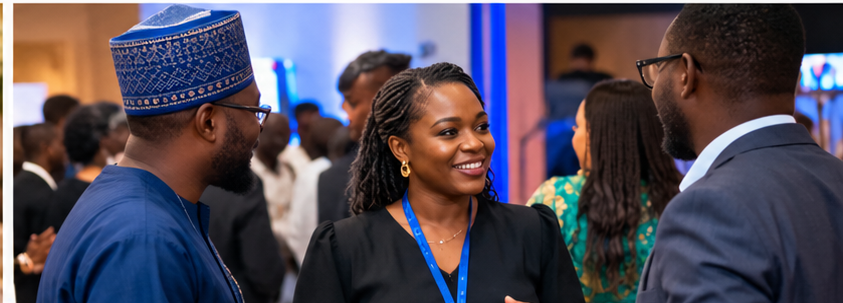
This is why audience reactions, networking, conversations and candid moments matter.
They give your event content life.
A collection of stage photographs can show what happened.
A collection that includes people interacting, learning, laughing, networking and participating can show what the event felt like.
That distinction can make a significant difference in how useful your content becomes.
Social Media Content Should Be Planned During the Event
If your business is active on social media, don’t wait until the event is over before thinking about social content.
Some event content can be published while the event is happening.
For example:
- Speaker photographs
- Short video clips
- Audience reactions
- Behind-the-scenes moments
- Event setup
- Quotes from speakers
- Sponsor highlights
- Short interviews
This creates momentum while people are already paying attention.
Then, after the event, you can continue the conversation with:
- Highlight videos
- Photo galleries
- Speaker clips
- Event recaps
- Key takeaways
- Testimonials
- Behind-the-scenes stories
The result is a content cycle rather than a single post.
The Quality of the Content Reflects the Quality of the Event
Your event may be beautifully organised.
The venue may look incredible.
The stage design may be excellent.
Your speakers may be outstanding.
Your guests may have had a great experience.
But if the photographs are poorly composed or the video doesn’t capture the atmosphere, much of that quality may be difficult to communicate afterwards.
This is why professional event media matters.
The goal isn’t simply to produce technically correct photographs and videos.
It is to create content that reflects the energy, professionalism and personality of the event.
When someone who wasn’t there watches your highlights or sees your photographs, they should be able to understand why the event mattered.
Choose an Event Production Team That Understands the Bigger Picture
Event coverage can become complicated quickly.
There may be multiple locations, changing lighting conditions, fast-moving schedules, large crowds, presentations, interviews and important moments happening simultaneously.
The production team needs to be prepared for that environment.
They also need to understand that the final deliverables aren’t just files.
They are marketing assets.
That means thinking about framing, storytelling, branding, social-media formats, turnaround times and how the content will eventually be used.
For businesses organising conferences, launches, exhibitions, seminars and corporate events, having a production team that can handle both event photography and videography can also help create a more consistent visual story.
The best coverage isn’t necessarily the coverage with the most cameras.
It is the coverage that produces the right content for the business.
Your Event Should Keep Working After It Ends
The last guest may leave.
The stage may come down.
The lights may go off.
But your event doesn’t have to disappear.
The photographs can continue telling the story.
The video can continue generating engagement.
The speaker clips can continue sharing ideas.
The testimonials can continue building trust.
The social media content can continue reaching people who weren’t there.
The event recap can help promote the next event.
And the entire collection can become part of your company’s visual history.
That is the real value of professional event content.
You’re not simply documenting one day.
You’re creating assets that can continue working for your business long after the event is over.
Before Your Next Event, Ask a Different Question
Instead of asking:
“Who will take pictures at the event?”
ask:
“What content do we want this event to create?”
That small change in thinking can completely change the way you approach event photography and videography.
Plan the content.
Identify the important moments.
Think about your audience.
Consider where the content will be used.
Capture more than the stage.
Create material for both immediate and long-term use.
Most importantly, make sure the production team understands the purpose behind the event.
Because your event may end in one day.
Your content shouldn’t.
Frequently Asked Questions About Event Content
What is event content?
Event content is the collection of photographs, videos and other media produced before, during and after an event for documentation, communication and marketing purposes.
It can include event photography, videography, interviews, testimonials, social media clips, highlights videos and behind-the-scenes content.
What is the difference between event photography and event content?
Event photography focuses primarily on still images captured during the event.
Event content is broader. It can include photography, video, interviews, social media assets, short-form clips and other media designed to support the event’s marketing and communication goals.
How can event content be used after an event?
It can be used for social media, websites, newsletters, company profiles, press releases, future event promotion, advertising, internal communications and other marketing activities.
Should event photography and videography be planned together?
In many cases, yes.
Planning them together can help ensure that important moments are covered consistently and that the final photographs and videos tell the same story.
How early should event content be planned?
Ideally, content planning should happen during the event planning stage.
Sharing the event schedule, important speakers, key moments, branding requirements and intended content uses with the production team allows the coverage to be much more purposeful.
Make Your Event Work Beyond the Day
Your event represents an investment of time, money, people and planning.
Don’t let its content disappear when the event ends.
With the right approach to event photography, event videography and content production, a single event can provide your business with a valuable library of visual assets that continues to support your marketing long after the venue has been cleared.
Whether you’re organising a conference, product launch, exhibition, seminar, corporate dinner or another business event, plan your content with the same care you give the event itself.
Contact HD Media for professional event photography, videography and content production designed to keep your event working long after the day is over.
One Response